Does white noise help you sleep, or just add more noise?
Does white noise actually help you sleep? It might make annoying sounds less noticeable, but the research is a lot less certain than the ads suggest.
Sources last checked October 24, 2026.
General information, not individual medical or nutrition advice.
Jump to a section
What the studies establish, and what they do not
Maybe it's traffic outside, a neighbor's television, or a door that keeps slamming just as you're drifting off. You've heard that white noise might help, but is adding more noise really the answer? Sometimes it might make the interruptions less noticeable. The research isn't nearly as settled as a sound-machine advertisement makes it seem. A 2021 systematic review of 38 articles found that continuous noise could improve or disrupt sleep, depending on the study. The reviewers rated the evidence for a sleep benefit as very low quality. Studies differed in their sound, participants, measurements, and comparison conditions, which makes a simple yes-or-no answer difficult.
A newer 2025 review and meta-analysis reported improvements in some sleep outcomes across particular groups, including adult and older adult patients. The authors still emphasized differences among studies and limitations in methodological quality. Findings in patients and controlled settings are not a guarantee that an app will improve your sleep at home.
So we'd start with the problem, not the product. If passing cars keep waking you up, masking that sound may be worth trying. If your bedroom is already quiet, there's little reason to buy a machine just because its box promises better sleep.
Pink noise is not automatically a better choice
Products often offer several sound colors, along with rain, fans, waves, and other recordings. A lower or softer-sounding option may be more pleasant to you. That does not establish it as more effective.
A 2026 laboratory study of 25 healthy adults compared environmental noise, pink noise, earplugs, and combinations of these conditions. Pink noise reduced REM sleep compared with the quiet control condition. Adding it to environmental noise worsened overall sleep structure despite some improvements in specific measures. Earplugs protected against most of the environmental-noise effects under the conditions tested.
This was a small controlled experiment, not proof that every recording harms every listener. It is enough reason to be skeptical when a product presents continuous pink noise as an uncomplicated sleep improvement. A soothing sound and a measurable sleep benefit are not the same claim.
Sources: 3
The reason for using it matters
Masking works by making changes in the sound around you less noticeable. It does not remove traffic or voices, and a steady recording may itself become distracting. The useful test is whether the original interruption bothers you less without the added sound becoming a new problem.
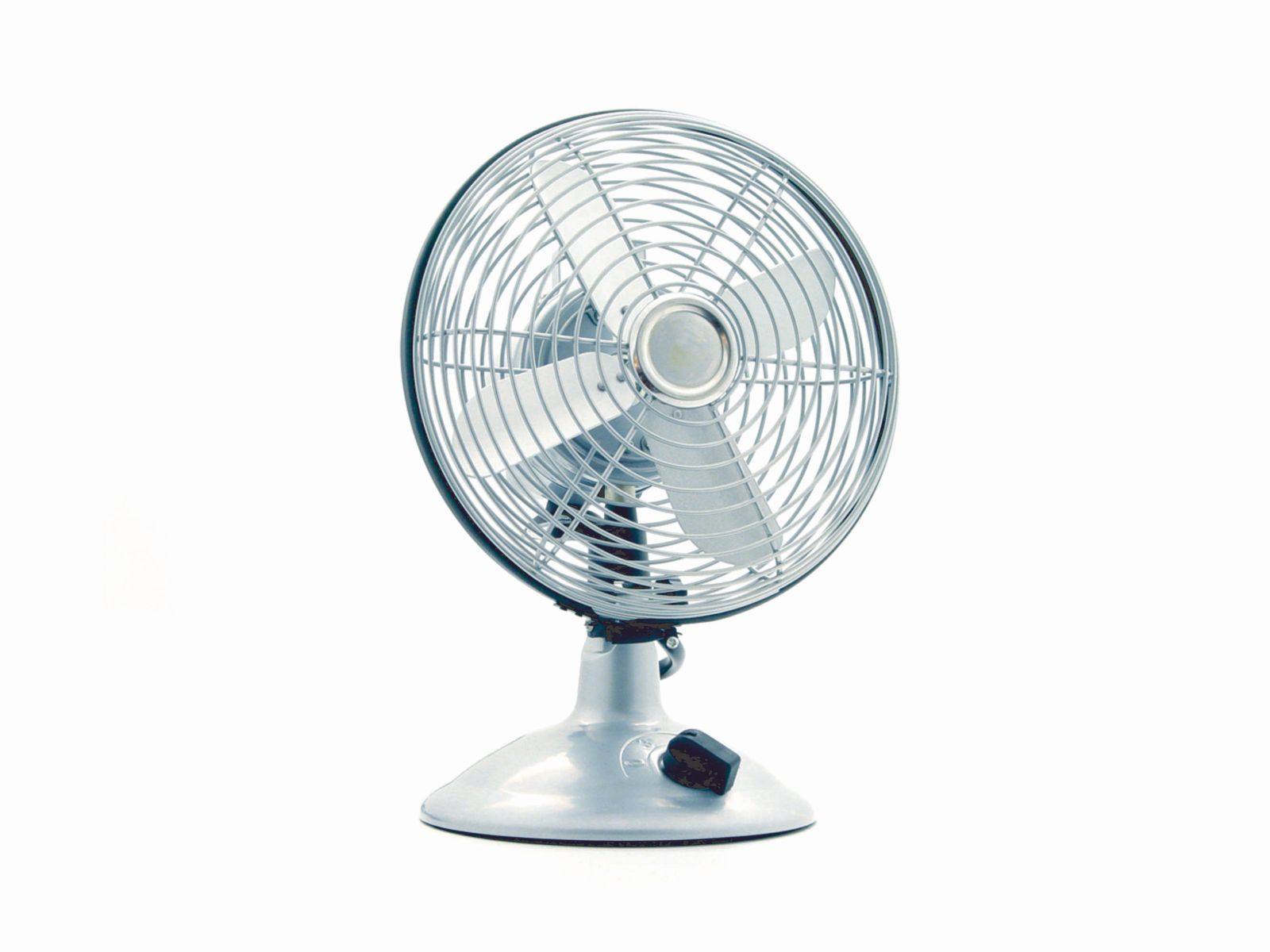
A fan-like hum may blend with some background noise while doing little for a sudden bang. If your room is already quiet, you are testing a sound preference rather than fixing an interruption.
If you enjoy a gentle sound while settling down, that preference is real. It still does not prove you are getting more deep sleep, better recovery, or a healthier night. Treat comfort claims and sleep-stage claims separately.
Try reducing the noise before covering it
Walk through the bedroom and identify what you can change without buying a machine. Can you move a rattling appliance? Put the bed farther from a shared wall? Agree on a quieter late-night routine with the people you live with? Closing a door may help with one problem while doing little for another.
If the noise comes through a window, do not assume blackout curtains are soundproofing. A curtain bought mainly to block light should be judged on that job. Claims about sound reduction need their own evidence and installation details.
Earplugs may be worth considering if you can wear them comfortably and follow their instructions. Think about alarms and sounds you need to hear before using any method that reduces awareness. For someone caring for another person overnight, that tradeoff can outweigh convenience.
If light is the main issue, a sound machine is the wrong purchase. Fix the light first and see what is left to solve.
If you try sound, keep the experiment simple
You do not need to purchase a premium device just to find out whether you like steady background sound. An existing device may let you try it, provided playback does not introduce ads, alerts, or sudden volume changes. Check the settings before bedtime.
Compare several ordinary nights with and without the sound while keeping the rest of your routine reasonably similar. In the morning, write down whether the original noise woke you, whether the added sound bothered you, and how rested you feel. This is a practical personal check, not a clinical trial.
Do not keep turning up the volume until every outside sound disappears. NIDCD explains that hearing risk depends on sound level, exposure time, and distance. Use the lowest level you find useful, keep the speaker away from your head, and consider whether a timer meets your needs. No percentage on a volume slider establishes a safe exposure.
This guide is about adults. Do not carry its suggestions over to infant sleep setups or assume an adult sound preference is suitable for a child.
If a sound machine would make that trial easier, look for fine volume adjustment, a timer, controls you can use in the dark and a display you can dim. Check for distracting loops or dropouts, travel-power needs and what happens after a power interruption. A subscription isn't necessary. Shared-room comfort matters more than a list of ‘sleep-enhancing’ sounds; test the controls within the return period.
Sources: 4
Know when to stop shopping for a sleep fix
If the machine makes the room more irritating, stop using it. If it does not improve the problem you bought it for, a more expensive version may not help either. Keep the return deadline visible so the device does not become another thing in a drawer.
If you regularly struggle to sleep even with enough opportunity, discuss it with a healthcare professional. NHLBI recommends cognitive behavioral therapy for insomnia as a usual first treatment for long-term insomnia. A sound machine is not an equivalent treatment.
Sources: 5
Studies and guidance
Sources checked October 24, 2026. This is a research-based explainer using published studies and health guidance, not a clinical test or a report of personal experience.
- Riedy et al. (2021): Noise as a sleep aid, systematic review (opens in new tab)
- Ding et al. (2025): white noise systematic review and meta-analysis (opens in new tab)
- Basner et al. (2026): pink noise and earplugs in a controlled sleep study (opens in new tab)
- NIDCD: noise exposure and hearing loss (opens in new tab)
- NHLBI: treatment for insomnia (opens in new tab)