Rice cooker vs. pressure cooker: which one will you actually use?
Choose between a dedicated rice cooker and an electric pressure cooker by comparing your usual meals, batch size, cleanup, and dinner timing.
We may earn a commission from qualifying purchases through these links. As an Amazon Associate I earn from qualifying purchases. Amazon prices are shown on Amazon; dated prices from other retailers are not Amazon quotes. How our links work. Prices, stock, and terms can change.
Sources last checked October 24, 2026.
Jump to a section
Start with your last five dinners
If rice appears at dinner several nights a week, a dedicated cooker can handle it while you cook the main dish. If the main dish is what you want to automate, start with the pressure-cooker recipes you would actually make.
There is some overlap. Certain rice cookers use pressure, and many electric pressure cookers have a rice setting. Here, we are comparing a machine built mainly for rice with a multipurpose electric pressure cooker. The category name alone does not tell you how an individual model works.
A rice cooker makes more sense when rice is the recurring job
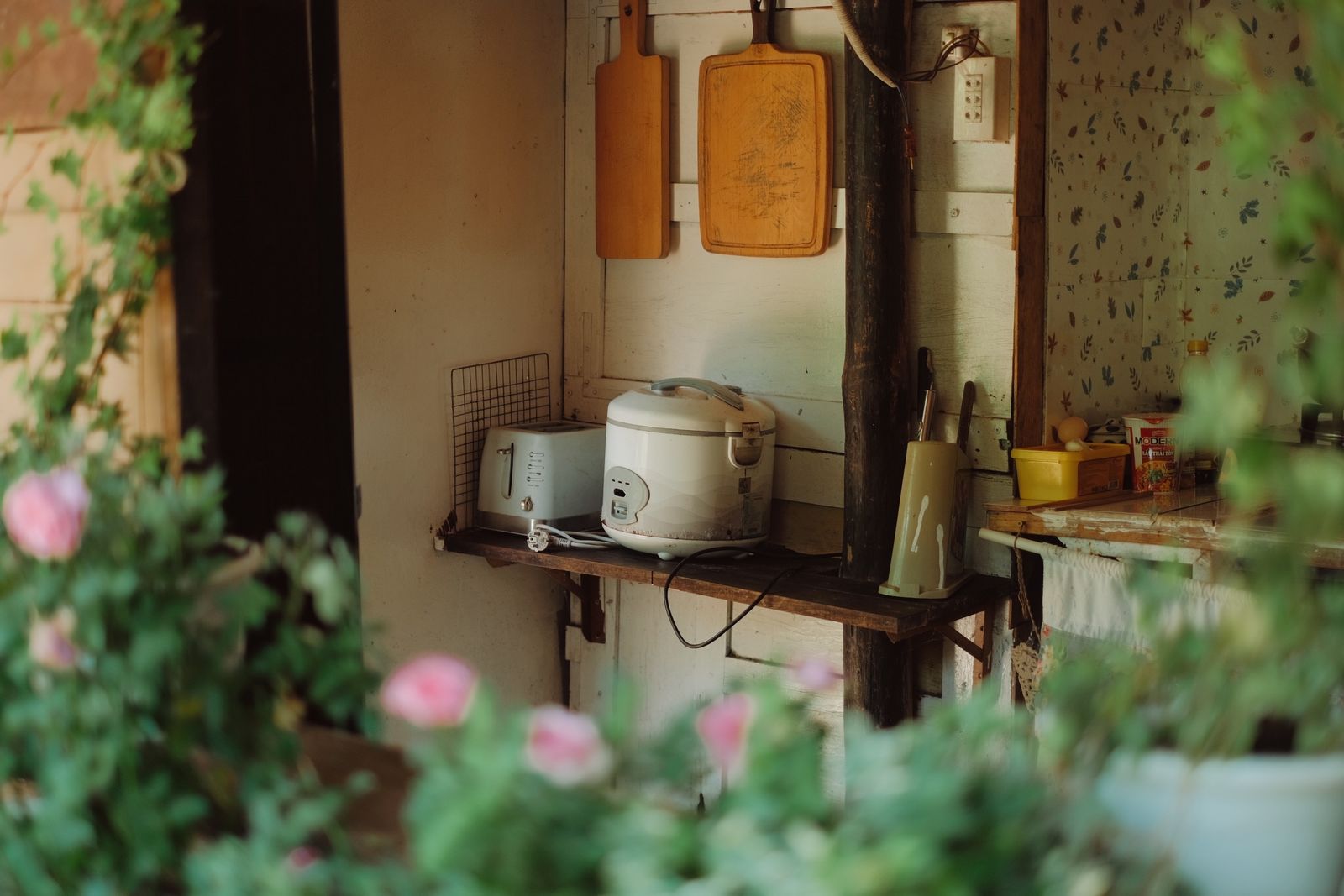
The appeal is having one routine you can repeat: measure, rinse when instructed, add water to the correct marking, and select the setting for that rice. You do not need an appliance that does twenty other things if this is the job you want to hand off.
The Zojirushi NS-TSC10 is a concrete example to compare against simpler cookers. Its listed settings include white/sushi rice, brown rice, porridge, and quick cooking. It also offers automatic keep warm and a delay timer. Those features are useful if they match your meals. They are not proof that you need to spend more than you planned.
Before paying extra, decide which setting you would use beyond plain white rice. If the answer is none, compare a simpler model with the right capacity. If brown rice is a weekly staple, read the manual for that exact program instead of assuming every rice cooker handles it the same way.
A dedicated machine also keeps the rice separate from the main dish. That matters when you want to change dinner plans halfway through, serve people at different times within the manual’s warming limits, or cook rice while your pressure cooker is occupied.
If you're comparing dedicated models, our NS-TSC10 vs. NS-ZCC10 guide separates the steaming basket's one-cup combined-cooking limit from the other model's rice-texture controls.
Which part of dinner needs help?
On a small screen, swipe the table sideways.
| Your priority | Rice cooker | Electric pressure cooker |
|---|---|---|
| Rice alongside a separate main | Keeps a dedicated appliance available for the rice | May already be busy cooking the main dish |
| Varied pressure-cooked recipes | Check permitted foods and programs carefully | Better starting point for pressure-cooker recipes |
| Total cooking time | Check the complete cycle for your rice | Include heating, pressure cooking, and release |
| Capacity | Check rice type, supplied cup, and minimum batch | Check usable fill limits for the food |
| Already own one? | Use it before replacing it | Try its rice method before adding another appliance |
An electric pressure cooker makes more sense when the main dish is the job
A pressure cooker is worth considering when you have specific recipes you want to make regularly. Start with three realistic dinners, then check the manufacturer’s directions for those foods and your intended quantity. A long program list is not a meal plan.
Do not judge speed from the programmed cooking time alone. Heating to pressure and releasing pressure are separate parts of the process. The total time depends on the recipe, amount of food, starting temperature, and release method. A short number on the display is not the same as a short wait from a cold pot to dinner.
You also need to be comfortable with the lid, sealing components, and pressure-release instructions. Instant Pot’s guidance warns against filling above the half-full line with expanding foods such as rice. Follow the manual for the specific appliance rather than borrowing a fill rule from a different cooker.
If you already have a pressure cooker, make rice in it a few times using its recommended method. If the result and timing suit you, keep the money. A separate rice cooker is easier to justify when you want both appliances running at once.
If a pressure cooker fits those dinners, RIO 6QT versus RIO Wide examines the next question: whether a different pot shape and capacity help the way you cook.
Sources: 1
Check what the capacity number actually means
Rice-cooker cup ratings and pressure-cooker quart ratings are not directly comparable. For example, Zojirushi lists the NS-TSC10 at up to 5.5 cups using its approximately 180 mL rice cup and raw short-grain white rice. That is not a promise of 5.5 standard American cups of every grain.
Check the minimum batch as well as the maximum. An appliance sized for a crowd can be an awkward choice if you usually make dinner for one. Look in the manual for the amount and type of rice you expect to cook most often.
Here is a useful shopping exercise: write down your ordinary batch and your largest realistic batch. If you make two servings most nights and host six people once a year, do not let that single dinner decide the size of an appliance you will store all year. A saucepan can still help when company comes over.
For perspective, 5.5 supplied 180 mL cups equal about 990 mL of dry rice by volume. That is close to 4.2 U.S. measuring cups, not 5.5. This is a unit conversion, not a serving recommendation; use the supplied cup and the cooker’s matching water marks when cooking.
Sources: 3
Buy for the cleanup you are willing to do
Before ordering, find the cleaning section of the manual. Look at the inner pot, lid, steam components, and any removable seals. A machine that is easy to start can still be irritating to clean.
Zojirushi says its rice-cooker parts and accessories are not dishwasher safe. That is useful information if loading everything into the dishwasher is part of your evening routine. With any cooker, check the exact instructions rather than assuming a removable part is dishwasher safe.
Also look for replacement parts before you need them. Can you find the matching inner pot or seal by model number? Would replacing a worn component be affordable? Parts availability will not make an appliance cook better tonight, but it can affect whether a repair is practical later.
Measure the usable counter space with the lid open, not just the footprint with everything closed. Check the manufacturer’s placement and steam-clearance requirements. Having to drag a cooker out from beneath a cabinet every night may change how often you use it.
Sources: 2
Keep-warm is a feature with instructions, not unlimited storage
A keep-warm button is convenient when the rice finishes before the rest of dinner. Use it only as the manual allows, including the foods and maximum duration. Zojirushi explicitly tells owners to check their model’s time limit. Do not use a general brand rule as permission to leave any meal warming indefinitely.
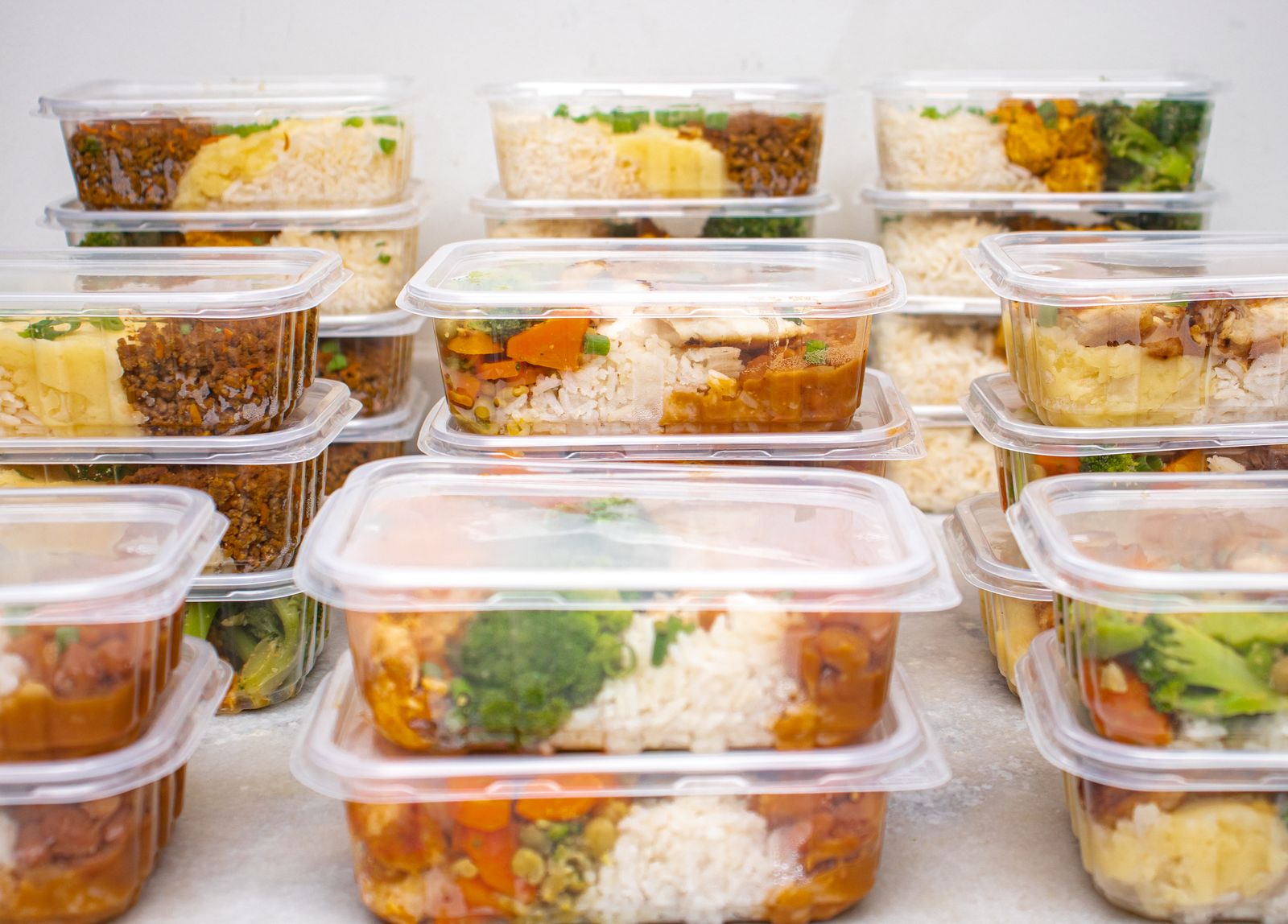
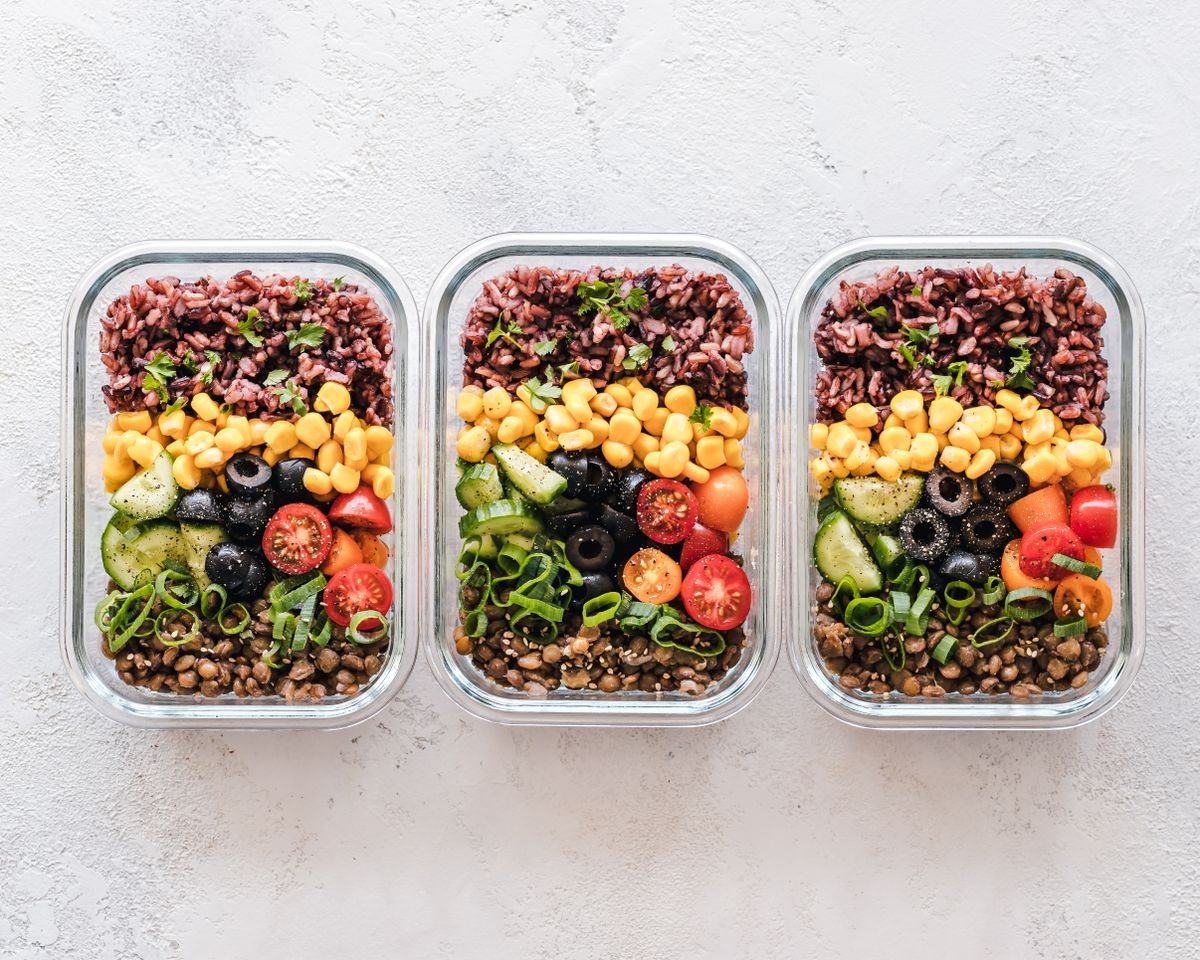
For leftovers, plan the storage before cooking a large batch. Get suitable containers ready and leave room in the refrigerator or freezer. Our meal-prep safety guide walks through cooling, storage, and reheating so the second meal is as well planned as the first.
Sources: 2
When a second cooker earns its counter space
Before buying a second cooker, picture an ordinary week: how often would both pots actually need to run at once? If the answer is rarely, the spare counter space may be more useful than another appliance.
If simultaneous cooking is a real bottleneck, choose a rice cooker for your normal batch, not an occasional party. Check the size guide for dry-rice quantities and minimum batches.
Kitchen tools in this guide
Compare the exact model, included accessories, delivery, and return terms on the seller’s page.
We may earn a commission from qualifying purchases through these links. As an Amazon Associate I earn from qualifying purchases. Amazon prices are shown on Amazon; dated prices from other retailers are not Amazon quotes. How our links work. Prices, stock, and terms can change.
Zojirushi NS-TSC10
Choose it for: Rice is a frequent side dish and you will use the listed rice settings and timer. Select the 5.5-cup variant for this model.
Check before ordering: It takes counter space and its parts require hand washing. Compare the price with a simpler cooker if you only need basic white rice.
View on AmazonOpens AmazonA few more questions
Can an electric pressure cooker replace a rice cooker?
It can if its rice method, batch size, and timing suit you. A separate rice cooker is useful when you want rice cooking while the pressure cooker makes the main dish.
Is a pressure cooker always faster?
No. Compare the whole process, including heating and pressure release, with the complete rice-cooker cycle. Programmed cooking time alone can be misleading.
Are rice-cooker cups the same as measuring cups?
Not necessarily. The Zojirushi model discussed uses an approximately 180 mL rice cup for its capacity rating. Use the supplied cup and the model’s instructions.
Sources & research notes
Sources checked October 24, 2026.