Is a kitchen scale worth it? What to check before buying one
A kitchen scale can make baking and batch cooking easier. Here is when it helps, when measuring cups are fine, and which features are worth paying for.
We may earn a commission from qualifying purchases through these links. As an Amazon Associate I earn from qualifying purchases. Amazon prices are shown on Amazon; dated prices from other retailers are not Amazon quotes. How our links work. Prices, stock, and terms can change.
Sources last checked October 24, 2026.
Jump to a section
A scale is most useful when you want to repeat a recipe
For regular baking, a basic scale is an easy purchase to justify. It helps you repeat ingredient amounts, divide dough, and resize recipes without awkward cup fractions.
If you cook mainly by taste and your measuring tools already work, there is no urgent reason to add one. Buy for a recipe or chore you want to make easier.
Why flour is a good reason to switch
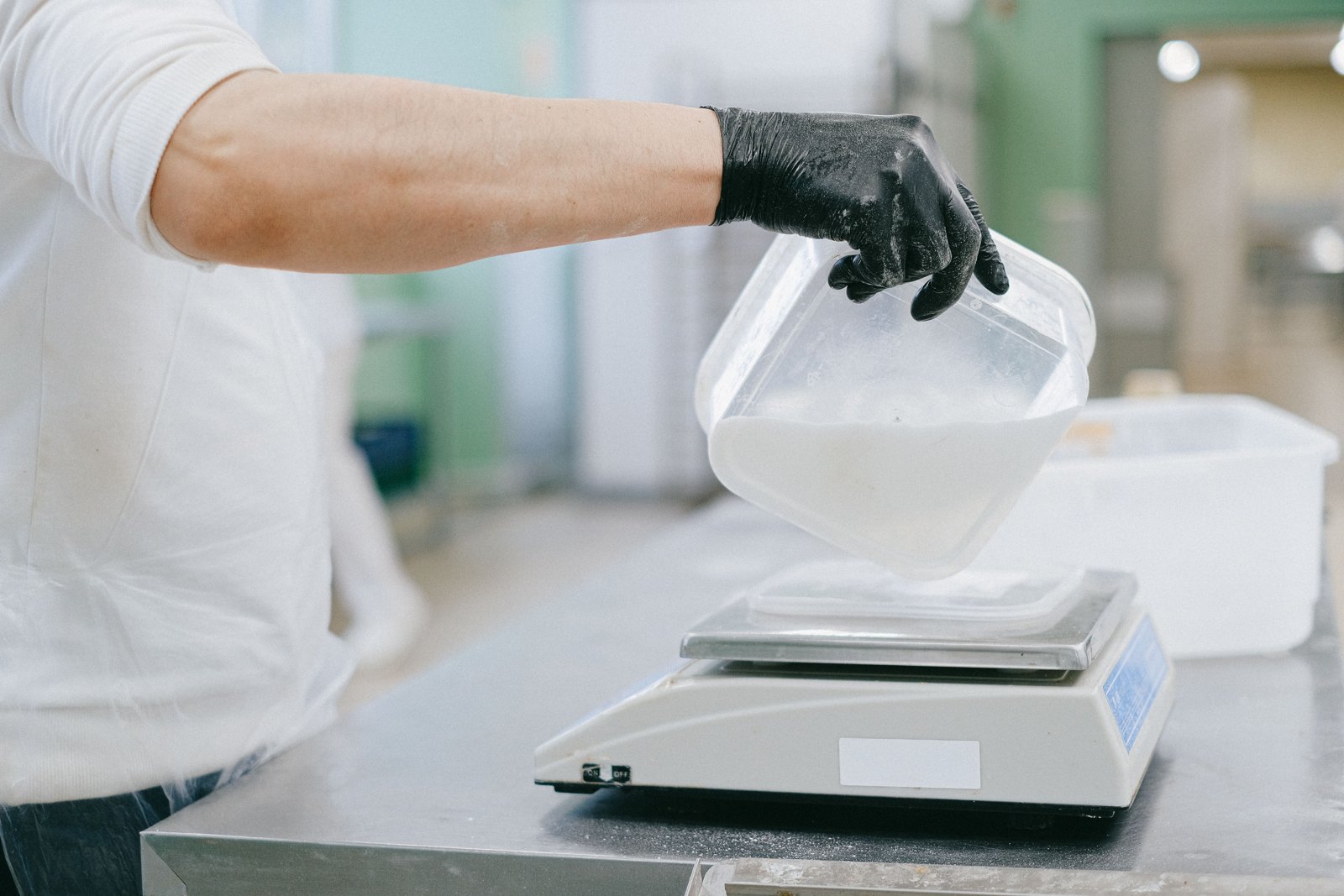
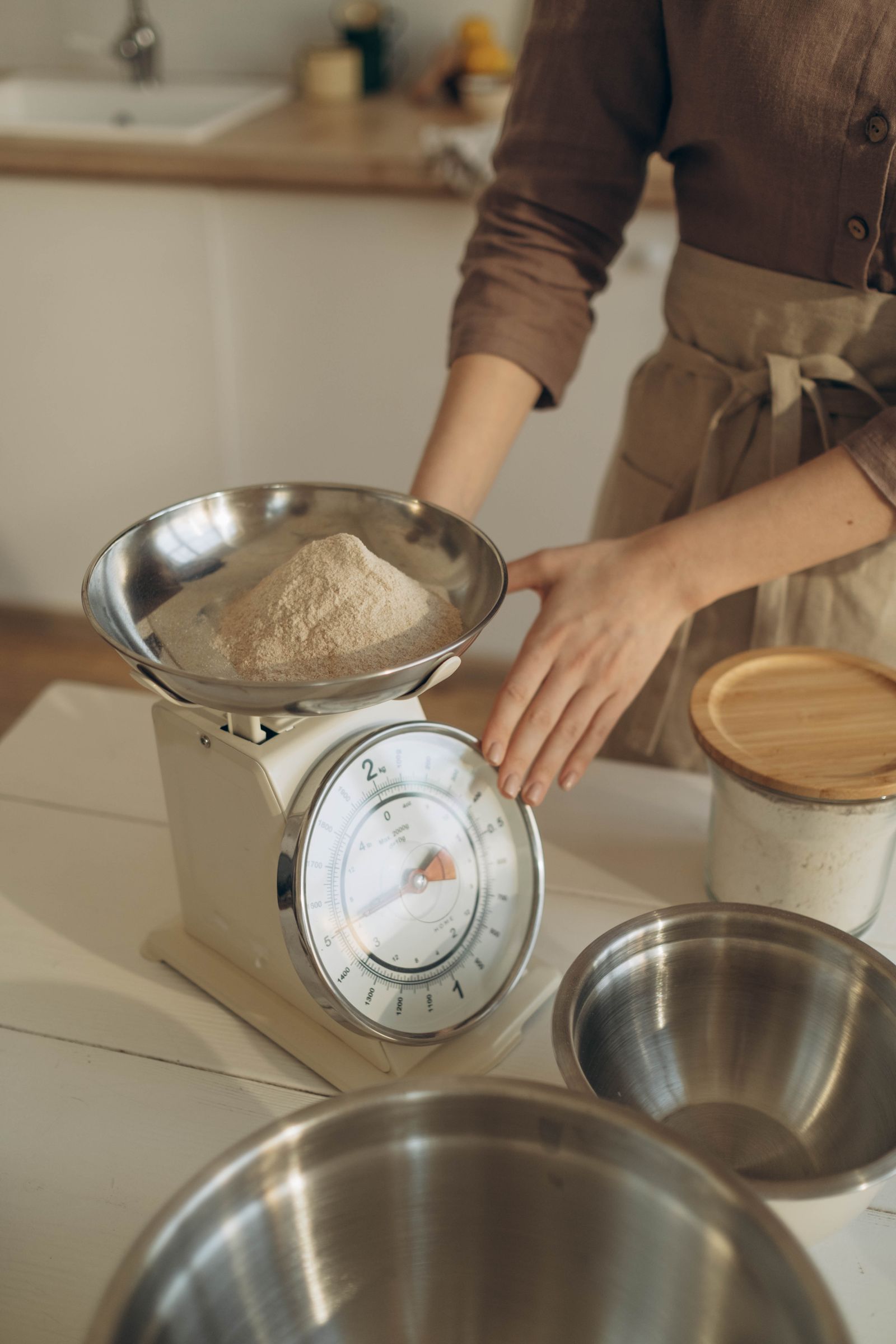
A measuring cup tells you volume. A scale tells you mass. Flour can settle, fluff up, or pack into a cup, so the amount you add can change depending on how you fill it. Weighing removes that particular source of variation.
King Arthur Baking recommends weighing flour and uses 120 grams for one cup of its all-purpose flour in its recipes. Treat that as the recipe developer’s standard, not a universal conversion for every flour or every cookbook. If your recipe supplies grams, use those grams.
That distinction becomes useful when a recipe does not turn out as expected. If you know you used the stated flour weight, you can look at other possibilities, such as the flour type, mixing, or oven temperature. A scale will not fix every baking problem, but it can take one guess out of the process.
Sources: 1
When a scale helps
On a small screen, swipe the table sideways.
| What you do | A scale helps with | What to check |
|---|---|---|
| Bake from recipes | Repeating ingredient amounts | Recipes include weights or a reliable conversion |
| Use large bowls | Reading weight without moving the bowl | Display stays visible |
| Make large batches | Measuring the full ingredient load | Capacity includes the bowl |
| Measure tiny amounts | Only if designed for the required range | Minimum load, increments, and accuracy specifications |
| Cook mainly by taste | Occasional recipe measurements | You may not need a new tool |
Grams are convenient, but they do not change the recipe
Grams are easy to work with because you can scale a recipe using ordinary arithmetic. Half of 300 grams is 150 grams. That is simpler than measuring half of an awkward combination of cups and tablespoons.
Say your dough recipe calls for 300 grams of flour and 180 grams of water. For one and a half batches, weigh 450 grams of flour and 270 grams of water. You still need to adjust the other ingredients and check the mixing instructions, pan size, and cooking time. Multiplying the weights does not guarantee the method scales the same way.
Do not convert a cup of every ingredient to the same weight. A cup is a volume measurement, and different ingredients have different densities. A conversion that works for water does not become a conversion for flour, honey, or chopped nuts. When the original recipe only uses cups, follow that developer’s measuring guidance or ingredient chart.
Sources: 2
The tare button is the feature you will use constantly
Tare resets the displayed reading so you can measure the contents without counting the bowl. It also lets you add ingredients in sequence. Put the bowl down, tare, add the first ingredient, tare again, then add the next.
There is a small catch: once you reset the display, you lose the previous displayed amount. If you overshoot, stop before adding another ingredient. It is easier to remove a little flour from a bowl of flour than to fish it out after you have poured in the milk.
For a new recipe, keep the ingredient list visible and work in order. You can still use separate bowls for ingredients that must stay separate. One-bowl weighing is convenient when the recipe allows it, not a reason to ignore the method.
Sources: 3
Capacity includes your bowl, not just the ingredients
Think about the heaviest combination you will place on the platform. A heavy mixing bowl uses part of the scale’s capacity before you add anything. Resetting the displayed weight does not increase the physical load the scale can hold.
For example, if a bowl weighs 1 kilogram and you plan to add 3 kilograms of ingredients, your scale needs to handle the combined 4 kilograms. Leave some room for the way you actually cook instead of shopping right at the limit. This is a capacity example, not a recommendation that everyone needs a large scale. A lighter bowl may let a scale you already own handle the batch.
The other practical issue is visibility. Your favorite bowl may cover the screen on a compact scale. Look at the platform and display layout together. A display you cannot read until you lift the bowl is going to get annoying quickly.
The OXO 11 lb Stainless Steel Food Scale addresses that problem with a pull-out display. OXO lists a zero function and 1-gram increments. That makes it worth comparing if you often use broad bowls, but it is not a reason to pay more if a smaller basic scale is easy for you to read.
Sources: 4
A one-gram display is not a promise of perfect accuracy
The increment shown on a specification sheet tells you how finely the display changes. It does not prove that every reading is accurate to that amount, especially at very small loads. Do not buy a general kitchen scale assuming it will handle every tiny ingredient reliably.
If you regularly need very small measured quantities, look for a scale designed and specified for that job. For ordinary recipes that give a small ingredient in teaspoons, using the stated measuring spoon may be more practical than trying to make a whole-gram scale register a fraction of a gram.
Read reviews for the exact model with a few questions in mind: is the display slow to respond, does it turn off while the cook is still working, and are the buttons easy to use? Treat individual complaints as prompts to investigate. A star rating does not establish measurement accuracy.
Avoid judging a new scale with a food package as if the printed net weight were a calibration certificate. Follow the manufacturer’s checking or calibration instructions if provided. If readings jump around on a stable, level surface with a suitable load, troubleshoot or return it.
Sources: 5
Check cleaning and storage before extras
Prioritize readable controls and manageable cleaning. Check the batteries or charging method and the drawer where the scale will live before paying for wireless features.
A low-profile scale can be convenient in a drawer. A larger platform can be convenient under a mixing bowl. Neither design wins for everyone. Measure the space and think about what you will put on it, rather than deciding from the product photo alone.
Keep measuring cups and spoons you already use. Recipes differ, and some ingredients are simply quicker to measure with a spoon. The goal is a more comfortable cooking routine, not replacing every useful tool at once.
Pay for a feature you will use
Before paying for a premium scale, put your largest mixing bowl on the shortlist's platform dimensions. Will it hide the display? Add the bowl's weight to your largest usual ingredient load, too. If a basic model passes both checks, an app or extra modes may not make baking any easier.
Ready to compare options? Open kitchen scales in the Kitchen Gear Finder, then set your budget and weighing requirements. Check your bowl and ingredient load against the exact model’s capacity before buying.
Kitchen tools in this guide
Compare the exact model, included accessories, delivery, and return terms on the seller’s page.
We may earn a commission from qualifying purchases through these links. As an Amazon Associate I earn from qualifying purchases. Amazon prices are shown on Amazon; dated prices from other retailers are not Amazon quotes. How our links work. Prices, stock, and terms can change.
OXO 11 lb Stainless Steel Food Scale
Choose it for: Large bowls obscure a fixed display and you want the pull-out screen.
Check before ordering: You may not need the larger design or extra expense for small bowls and occasional baking. Listed 1-gram increments do not make it a precision scale for every tiny load.
View on AmazonOpens AmazonA few more questions
Do I need a kitchen scale to bake?
No, but it makes ingredient amounts easier to repeat. If you use cups, follow the recipe developer’s measuring method, particularly for flour.
Does pressing tare increase a scale’s capacity?
No. It resets the displayed reading, but the bowl and everything else on the platform still count toward the maximum load.
Is one cup always 120 grams?
No. That is King Arthur’s standard for a cup of its all-purpose flour in its recipes. Different ingredients and recipe developers use different conversions.
Sources & research notes
Sources checked October 24, 2026.
- King Arthur Baking: how to measure flour (opens in new tab)
- King Arthur Baking: recipe measurement standards (opens in new tab)
- King Arthur Baking: weighing ingredients and tare (opens in new tab)
- OXO: 11 lb scale specifications and pull-out display (opens in new tab)
- King Arthur Baking: kitchen scales and small ingredient quantities (opens in new tab)