Protein powder vs. food: do you actually need the shake?
A shake can make life easier. That does not mean it does something a normal meal cannot. Here’s how to decide whether it belongs in your routine.
Sources last checked October 24, 2026.
General information, not individual medical or nutrition advice.

Jump to a section
Start with what is missing
A shake is useful when it makes adequate protein easier to fit into your day. It is not an automatic requirement after a workout. Start with the meals you already eat before pricing a tub.
Look at an ordinary day first. What do you eat for breakfast, lunch, dinner, and snacks? Include drinks and the portions you actually have. A shake might fill a genuine gap. It might also become an expensive extra on top of meals that were already doing the job.
What the research can tell you
In a 2018 meta-analysis of 49 resistance-training studies involving 1,863 participants, adding protein produced modest average improvements in muscle and strength outcomes. The researchers estimated that the extra benefit for fat-free mass levelled off around a total intake of 1.6 grams per kilogram of body weight per day. That was an estimate across studies, not an exact limit for every person.
The important word is total. The analysis doesn’t establish that a scoop beats an adequate food-based diet. It also doesn’t mean somebody who doesn’t lift needs to eat like a competitive athlete. Training, baseline intake, and the person being studied all affect how useful the finding is.
NIH guidance says food can often meet athletic protein needs; supplements can help when it does not. Convenience is the reason to consider powder, not a requirement to use it.
When powder has a useful job
On a small screen, swipe the table sideways.
| Your situation | Practical first move |
|---|---|
| Meals already cover your needs | No automatic reason to add powder |
| A busy day repeatedly leaves a gap | Compare a shake with a convenient food option |
| You want a whole meal | Consider the full meal, not protein alone |
| You only mix powder and liquid | Check mixing directions before buying a blender |
| Your health affects protein needs | Use an individual target rather than this general guide |
Food brings more than one nutrient
Chicken, fish, eggs, dairy, tofu, beans, lentils, nuts, and seeds give you different combinations of nutrients. USDA guidance encourages variety for that reason. A food choice is doing more than contributing a number to your protein total. Beans can bring fiber; different protein foods also contribute vitamins and minerals.
That doesn’t make powder bad. It means a plain protein drink and a full meal are different purchases. If breakfast is a shake made with powder and water, ask what else you need from breakfast. If the powder is stirred into yogurt or blended with other ingredients, judge the whole meal rather than the scoop alone.
You don’t have to choose a team. Regular meals and a convenient supplement can exist in the same diet.
When powder earns its place
Convenience is a legitimate benefit. Maybe you have ten minutes between work and training. Maybe the office fridge is full. Maybe you already enjoy a smoothie and want an easy protein ingredient. Those are specific problems a powder might solve.
Write down when you’d use it before ordering a large tub. “On the two mornings I leave early” is more useful than “to get healthier.” The more concrete the job, the easier it’s to judge whether the purchase helps.
Also compare it with simple food. A ready-to-eat yogurt, a sandwich, or leftovers may fit that same moment better. None is automatically the cheapest or easiest choice everywhere. Your schedule and local prices decide that.
Compare the price of protein, then the price of the meal
The number of servings on the front of a package is a poor way to compare value when serving sizes differ. Use the nutrition label. Divide the package price by the total grams of protein in the package, then multiply by an amount you want to compare, such as 25 grams.
Here’s a made-up example, not a current product price: a $30 tub with 20 servings and 25 grams of protein per serving contains 500 grams of protein. That’s $1.50 per 25 grams. If another tub costs $40 but contains 30 servings at the same protein amount, it costs about $1.33 per 25 grams.
Then step back. Food also supplies a meal, flavor, and other nutrients. The lowest price per gram of protein doesn’t automatically make something the best way to eat. Include milk, fruit, or other shake ingredients when comparing the full cost.
Read the label before buying a big tub
Check the protein amount, serving weight, calories, ingredient list, and allergen statement. A scoop is a measuring tool, not a standard unit shared by every brand. Two powders can use similarly sized scoops and deliver different amounts.
Choose a protein source that suits your diet and tolerances. Whey comes from milk. Plant-based options differ in ingredients and formulation. Don’t assume an expensive blend is better because the ingredient list is longer, or that every plant powder is nutritionally identical.
For products marketed as dietary supplements, FDA doesn’t approve safety and effectiveness before sale. A label that suggests government approval deserves scrutiny. If you have a condition that changes your protein needs, have been advised to limit protein, or are considering a multi-ingredient supplement alongside medication, get individual guidance instead of copying a general target.
Try a small package until you know the flavor and ingredients suit you. Do not replace satisfying meals solely because a powder looks efficient on the label.
A protein shake does not require an expensive blender
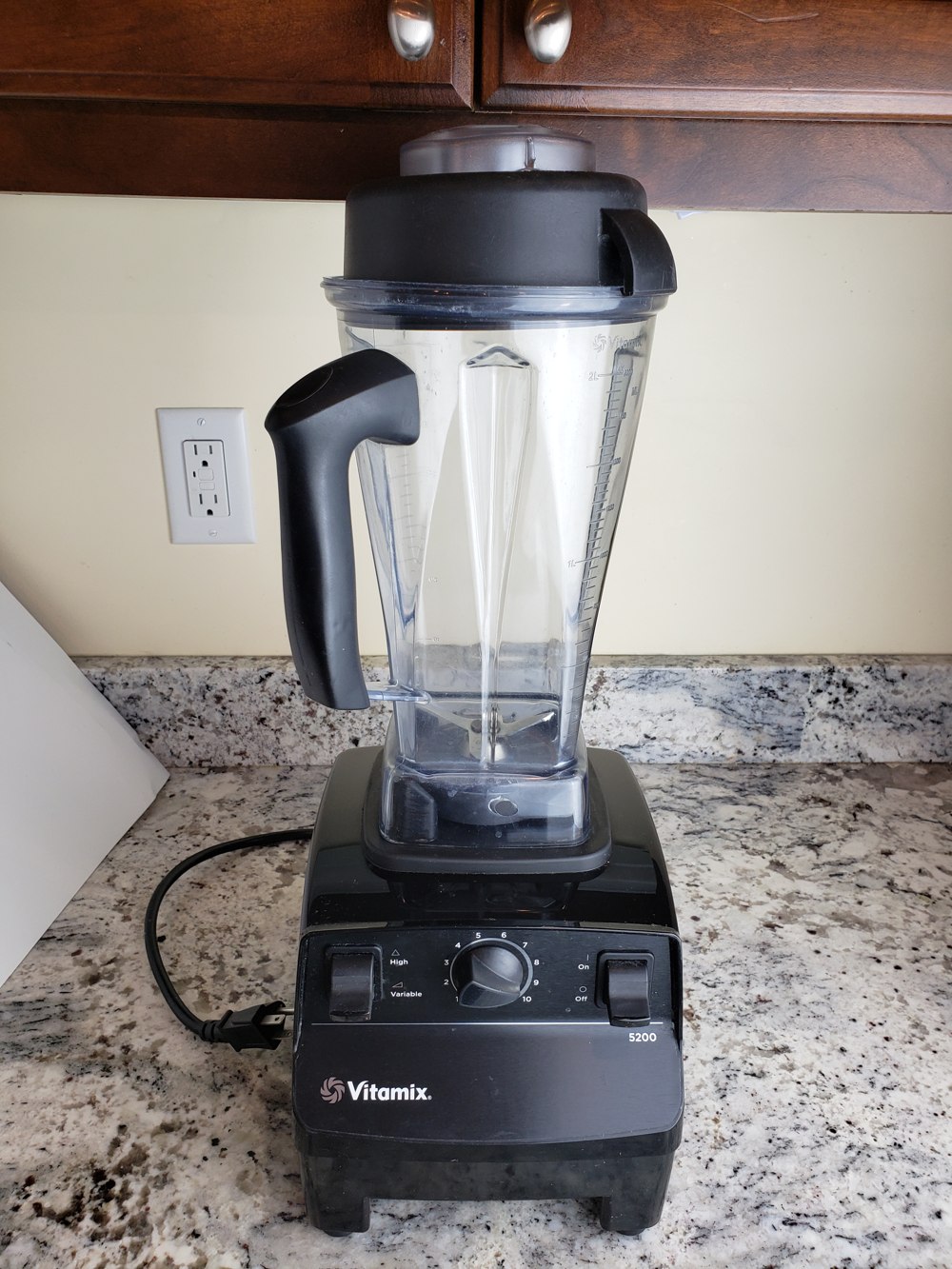
If you only want to mix powder with water or milk, check the product mixing directions before buying an appliance. A suitable shaker may handle that job. Frozen fruit, ice, and thick blends are a different task, and that’s where blender capability matters.
Don’t buy a premium blender to justify a supplement purchase. Decide what you want to make first. If smoothies become a regular meal, compare container size, cleaning, and how the machine handles the ingredients you actually use.
Also think about flavor fatigue. Trying a small size first may cost more per serving, but that can be cheaper than getting stuck with a large tub you cannot stand.
Try the smallest fix first
Look at a few ordinary days, especially the ones when eating is rushed. Note what protein your meals already provide, then identify a specific meal or snack that repeatedly comes up short. If a health condition or training goal makes your target unclear, ask a registered dietitian rather than borrowing a number from a supplement label.
Then compare a simple food change with powder on the days you need it. Try a small quantity before a large tub so taste, tolerance, and convenience can decide the next purchase.
A few more questions
Is protein powder necessary to build muscle?
No. Adequate protein can come from food. Powder is a convenient option when it helps you meet your needs, not a requirement.
Is a protein shake a complete meal?
Not automatically. Judge the whole recipe and its ingredients. A scoop mixed with water is not nutritionally equivalent to a varied meal.
Sources & research notes
Sources checked October 24, 2026.
- Morton et al., 2018: protein supplementation and resistance training meta-analysis (opens in new tab)
- NIH Office of Dietary Supplements: exercise and athletic performance, consumer guidance (opens in new tab)
- USDA MyPlate: variety in protein foods (opens in new tab)
- FDA: information for consumers using dietary supplements (opens in new tab)